
Storms & hail
Hail damage to siding and gutters: what it looks like and what matters
By Roof InspectorsUpdated 5 min read
The short answer
After a hailstorm, the easiest damage to see is usually on the sides of the house, not the roof.
That’s useful: you can check these parts safely from the ground, and what you find tells you something about the storm. Here’s what to look for and how to keep a good record.
Why the outside of your house is a good hail record
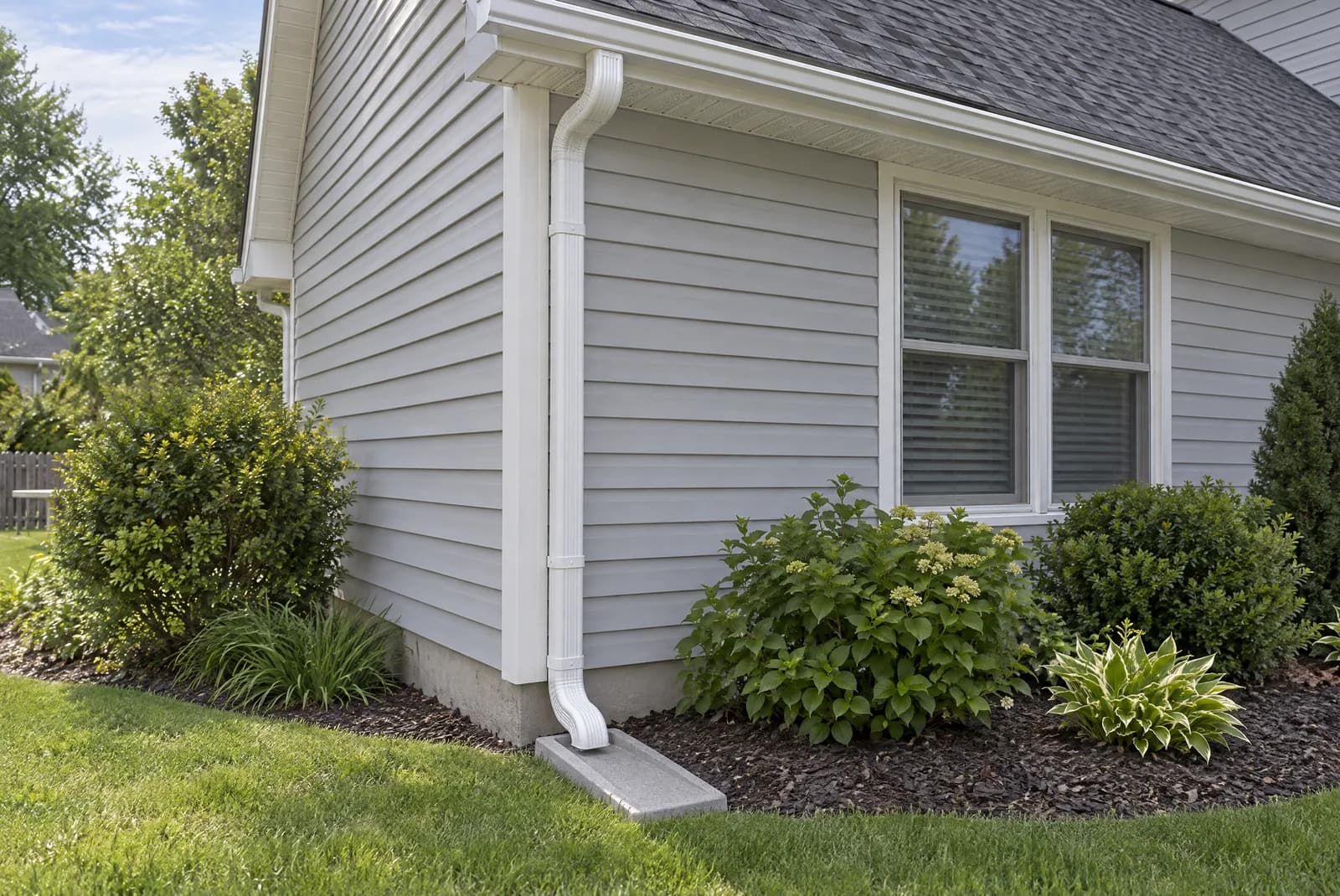
Thin metal dents easily, and dents stay put. That makes gutters, downspouts, vents and window trim a rough record of how big the hail was and which way it came from.
Wind-driven hail tends to hit the side that faced the storm much harder, so check every side.
To compare sizes, see how many significant storms are on record near your address with a free storm history check, then add your contact details to see each storm’s date and hail size. Our hail size chart shows each size to scale.
Siding: what damage can look like
What you’ll see depends on the material.
- Vinyl siding: cracks, punctures, holes or broken pieces. Look closely; small cracks can be hard to spot from a distance.
- Metal siding (aluminum or steel): round dents, sometimes with chipped paint or coating.
- Fiber cement: chips, cracks or broken corners, and missing paint where stones hit.
- Wood and painted trim: dents, splits and chipped paint. Bare wood can soak up water if it isn’t repainted.
- Brick and stone: usually holds up well. Check the trim, soffits and gutters around it instead.
Gutters and downspouts
Gutters and downspouts take a lot of hail because they’re thin and exposed.
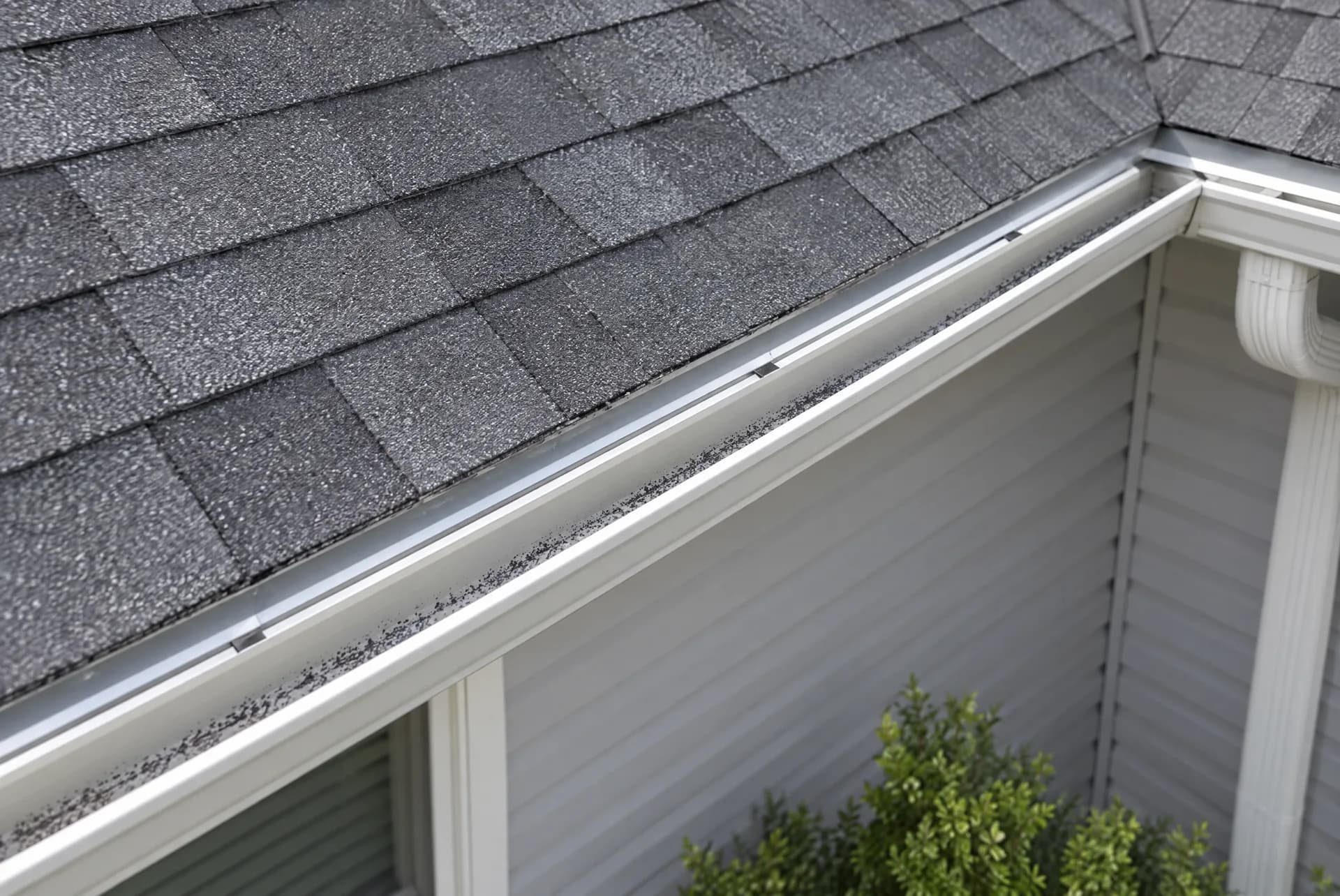
- Dents along the top edge or face of the gutter
- Crushed or flattened downspout elbows, which can slow or block drainage
- Split seams, holes or loose hangers, which let water spill against the house
- Shingle granules piled in gutters or at downspout outlets. Some granule loss is normal as shingles age, but a sudden pile after a storm is worth a closer look at the roof.
Window wraps, screens and trim
Many homes have thin aluminum wrapped around window frames and trim boards. It dents easily, so it’s a good place to look. Also check:
- Torn or punctured window screens
- Cracked vinyl window frames or trim
- Broken or chipped glass, including skylights
- Dented garage doors and light fixtures
Curious what storms were recorded near you?
See how many significant storms are on record near your address, free in about 30 seconds. Add your contact details to see each storm’s date and hail size.
- Doesn’t file an insurance claim
- One local partner, never a pile-on
The AC unit, vents and other metal
- Outdoor AC unit: hail can bend the thin metal fins on the sides of the condenser. Whether bent fins affect how the unit runs is a question for an HVAC technician.
- Roof vents and caps: dents on box vents and vent caps are often visible from the ground.
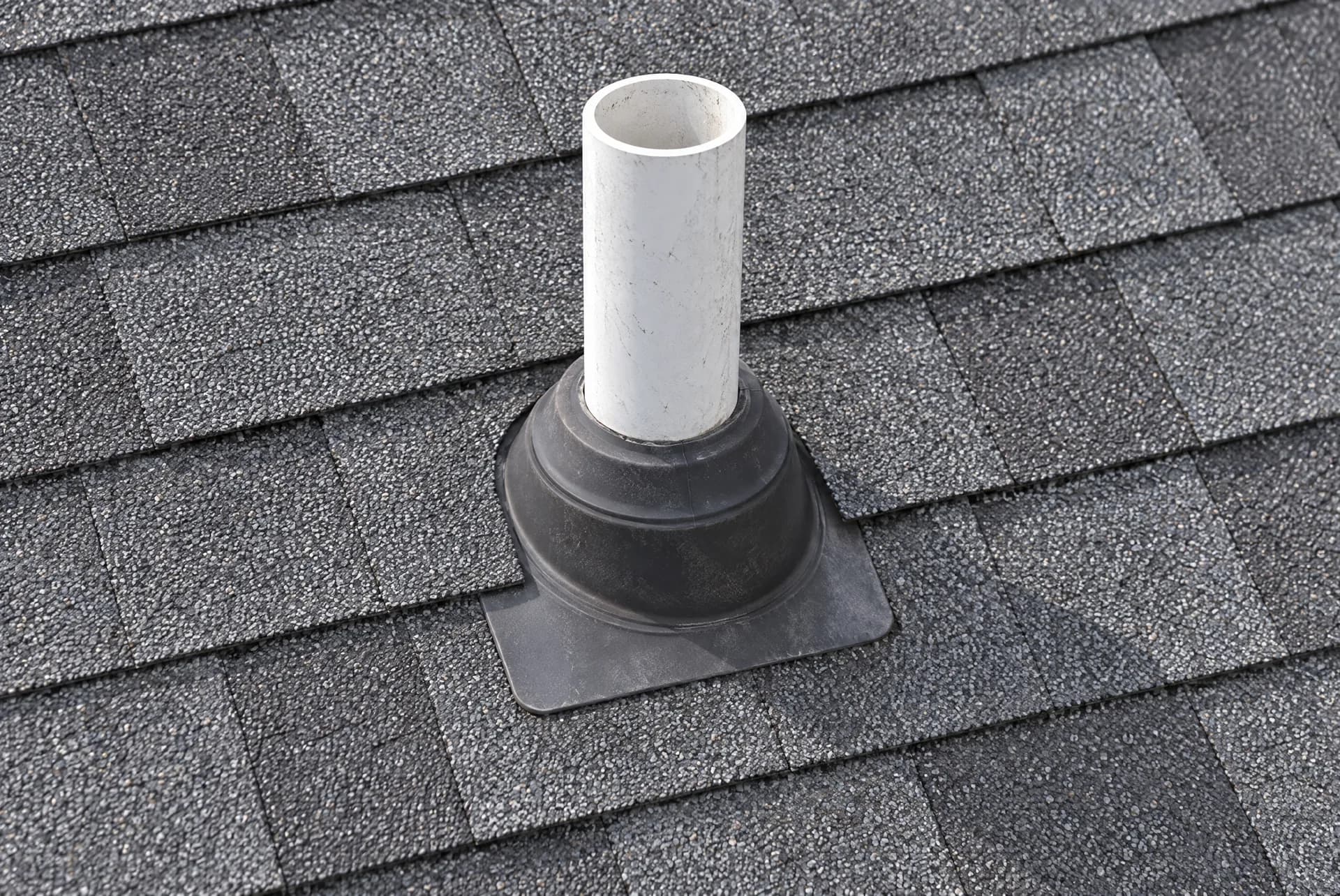
- Pipe boots: hail can split the rubber collar around plumbing vent pipes. A split pipe boot can leak.
- Mailboxes, grills, cars and patio furniture: not part of the house, but dents here help confirm the size and direction of the hail.
Cosmetic or functional? A plain-English way to sort it
It helps to sort what you find into two groups.
Functional damage means something no longer does its job. Water can get in, or it can’t drain the way it should. Examples:
- A cracked or punctured siding panel
- A split gutter seam or a crushed downspout
- A torn screen or broken glass
- A split pipe boot
Cosmetic damage changes how something looks but not how it works. Examples:
- Shallow dents in a gutter that still drains
- Dents in metal window wraps or a garage door that still seal and open normally
The line isn’t always obvious. How an insurance policy treats cosmetic damage depends on its wording; some policies include endorsements that limit or exclude coverage for certain cosmetic hail damage. Read your policy and its endorsements, or ask your agent.
Roof Inspectors doesn’t file claims or give claim advice. If you file a claim, even after an inspection, your insurance company decides what’s covered and what it pays. Roof Inspectors and our roofing partners can’t make that decision or promise an outcome.
If you have questions about a policy, the Kansas Insurance Department and the Missouri Department of Commerce and Insurance both answer consumer questions.
How to document what you find
Good records help no matter what you decide later. Missouri’s insurance department recommends taking photos or videos of damaged areas and writing down notes about significant damage you see. A few tips:
- Do it soon, and only when it’s safe. Stay away from downed power lines and broken glass.
- Go side by side. Photograph each side of the house, then the details.
- Take a wide shot and a close-up of each spot, so it’s clear where it is and what it looks like.
- Show scale. Hold a coin or tape measure next to dents and cracks.
- Write down the date and time the storm hit and when you took the photos.
- Keep receipts for any emergency steps, like tarping or boarding a broken window. Missouri’s insurance department advises keeping all receipts for emergency repairs, and not making permanent repairs before talking with your insurance company if you plan to file a claim.
What it tells you about your roof
Dents on gutters and siding confirm that hail fell, and roughly how big it was. They don’t confirm that your roof was damaged. Shingles are a different material, and roof damage such as bruised or cracked shingles often can’t be seen from the ground.
If the siding and gutters show clear hail marks, it’s reasonable to have the roof looked at too. Read what size hail damages a roof, see how much hail damage it takes to replace a roof, or learn about hail damage and your roof.
A free roof inspection through Roof Inspectors is done by an independent roofing partner that serves your area and includes photos of what they find.
Sources
Sources (3) · Missouri Department of Commerce and Insurance, Texas Department of Insurance, Kansas Insurance Department
- Missouri Department of Commerce and Insurance: Post-disaster claims guide (PDF)
- Texas Department of Insurance: Bulletin B-0030-98 on endorsements excluding cosmetic hail damage to roof coverings (an example of how one state defined cosmetic damage)
- Kansas Insurance Department
How our free inspections work and who pays us
Common questions
Do dented gutters need to be replaced?
Can hail damage siding without damaging the roof?
This guide is general information for homeowners, not professional, insurance, or legal advice. How we write and update guides.