
Hail damage roof inspection
Hail damage and your roof.
Hail near your home is a reason to look closer, not proof of damage. See how many significant storms are on record near your address, free in about 30 seconds, then learn what matters, what you can check safely, and when an inspection is worth it.
By Roof InspectorsUpdated
The short answer
Hail size and roof damage
0.75 in · Penny
Can mark older, brittle, or worn shingles. Newer roofs usually hold up.
1.0 in · Quarter
Meets the National Weather Service severe threshold. This is where shingle damage becomes more common.
1.5 in · Ping pong ball
Can damage asphalt shingles, gutters, siding and soft metals, especially on older roofs.
1.75 in · Golf ball
Frequently damages asphalt shingles, gutters and vents. A professional inspection is worth considering.
2.5 in · Tennis ball
Can damage nearly any residential roof covering.
General guidance, not a diagnosis. The National Weather Service defines severe hail as 1 inch or larger (sizes per the NOAA Storm Prediction Center hail size table). See every size in the hail size chart, or read the full answer to what size hail damages a roof.
Hail in the Kansas City area
In 9 of the 10 full years from 2016 through 2025, National Weather Service storm reports logged hail 1.75 inches (golf ball) or larger within 30 miles of downtown Kansas City. The exception was 2022, when the largest was 1.25 inches. The largest in the record is 4.5-inch (grapefruit) hail reported near Weatherby Lake on March 10, 2026 (preliminary).
Source: NOAA Storm Prediction Center storm reports, through November 1, 2026. Kansas City hail history by year
These are records for the wider area, not for your address. A storm on record doesn’t mean your roof was damaged, and it doesn’t mean your insurance company will accept that storm or date. That’s why an inspection is worth having: a roofing professional looks at the roof itself.
What hail damage looks like
- Bruises or soft spots where an impact crushed the shingle without breaking the surface.
- Granule loss that exposes the black asphalt mat underneath.
- Cracks or fractures, sometimes radiating from the point of impact.
- Dents in soft metals — vents, flashing, gutters — which help show hail size and direction.
What to check safely from the ground
- Dents on gutters, downspouts, mailboxes, and the fins of your AC unit
- Granules piled at downspout outlets
- Torn screens, chipped paint, or cracked siding
- Shingle pieces in the yard
- New water stains on ceilings or in the attic
Please don’t climb onto your roof. It’s dangerous, and walking on hail-damaged shingles can make damage worse.
For the full step-by-step list, including how to protect your home and document what you see, use the after-the-storm checklist. Dented siding, gutters and AC units have their own guide: hail damage to siding and gutters.
What the inspector checks after hail
- 1Shingles & roof surfaceEvery slope: missing, cracked, or lifted shingles, granule loss, and hail bruising.
- 2Ridges, hips & edgesWhere wind damage usually shows up first, including creased or lifted tabs.
- 3Flashing & valleysChimneys, walls, skylights, and valleys — some of the most common leak sources.
- 4Vents & penetrationsPipe boots, exhaust and ridge vents, and anything else that passes through the roof.
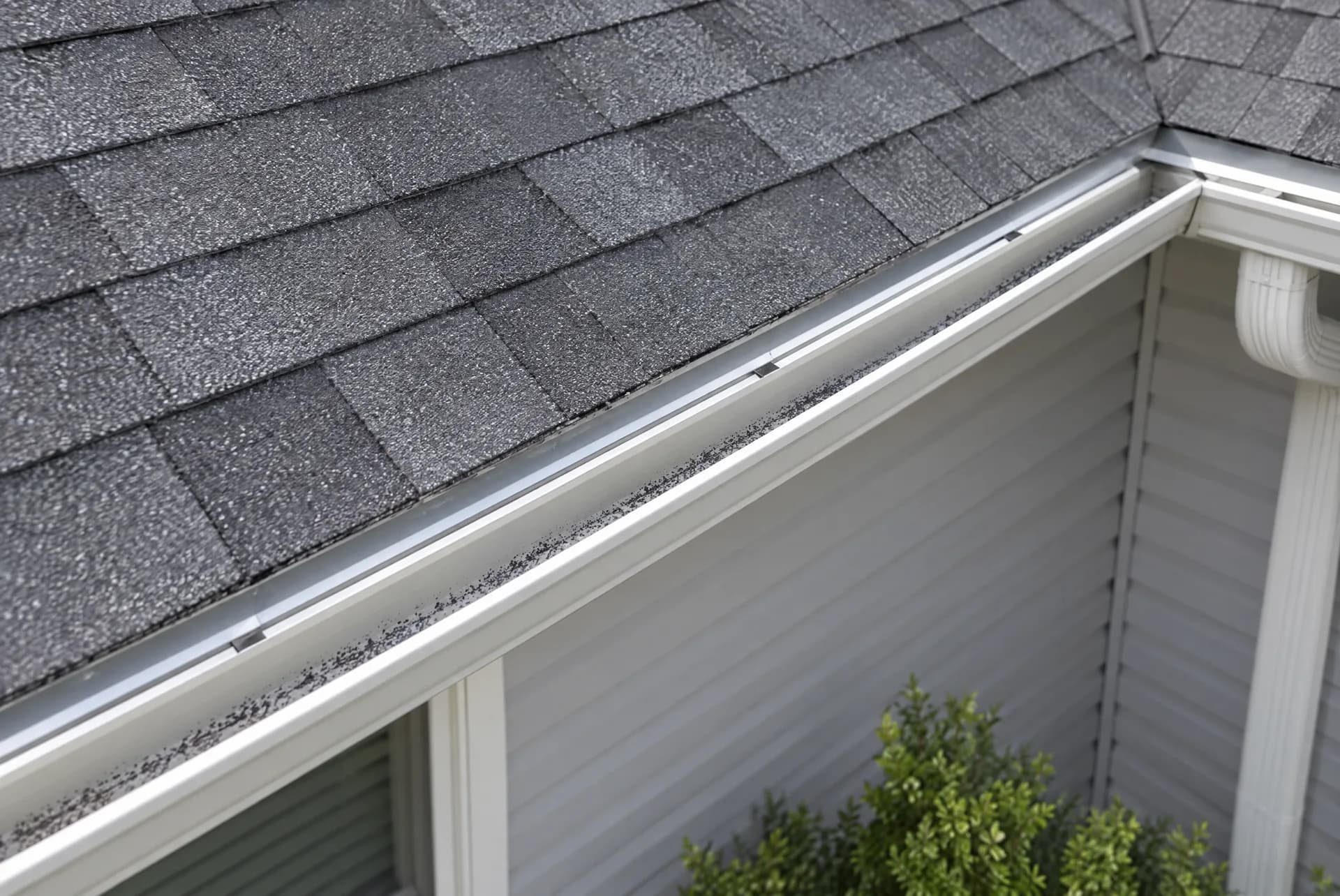
- 5Gutters & soft metalsDents here help show how large and how dense the hail was — and granules in the gutter show wear.
- 6Attic (if you’d like)Decking, stains, ventilation, and insulation, which affect how long shingles last.
You get photos and a plain explanation of what was found. How a free roof inspection works
When to get a hail damage roof inspection
- Your storm records show hail 1 inch or larger near your home since your roof was installed
- You see dented soft metals, granules in gutters, or shingle debris
- Your roof is 15+ years old and has been through several storms
- You notice a leak, a stain, or missing shingles
Are significant storms on record near your address?
See how many significant storms are on record near your address, free in about 30 seconds. Add your contact details to see each storm’s date and hail size.
- Doesn’t file an insurance claim
- One local partner, never a pile-on
Through Roof Inspectors, the inspection is free and performed by an independent roofing partner that serves your area. It doesn’t file an insurance claim — and if damage is found, what you do next is your decision. Questions about insurance?
Hail damage questions
What size hail damages a roof?
What does hail damage look like on a shingle roof?
Can I tell if my roof has hail damage from the ground?
Hail guides, one question each
- What size hail damages a roof?Size, roof age, material and wind, size by size
- Hail size chartEvery size to scale, from pea to grapefruit
- Hail nearby. What does that mean for your roof?
- After the storm: a calm checklist
- Hail damage to siding and gutters
- How much hail damage does it take to replace a roof?
- Impact-resistant shingles in Kansas City
- Kansas City hail history by yearNOAA hail-report days since 2016
See the storms on record near your home.
Start with a free storm count for your address. It takes about 30 seconds.
Checking storm history doesn’t file an insurance claim, and no roofer gets your details unless you book an inspection.