
The short answer
Hail gets the headlines, but wind quietly damages plenty of Kansas City roofs, especially during spring and summer thunderstorms. Weather Service records show more days with damaging-wind reports than large-hail reports across the metro; see the storm record for Kansas City, Missouri.
How wind damages a roof
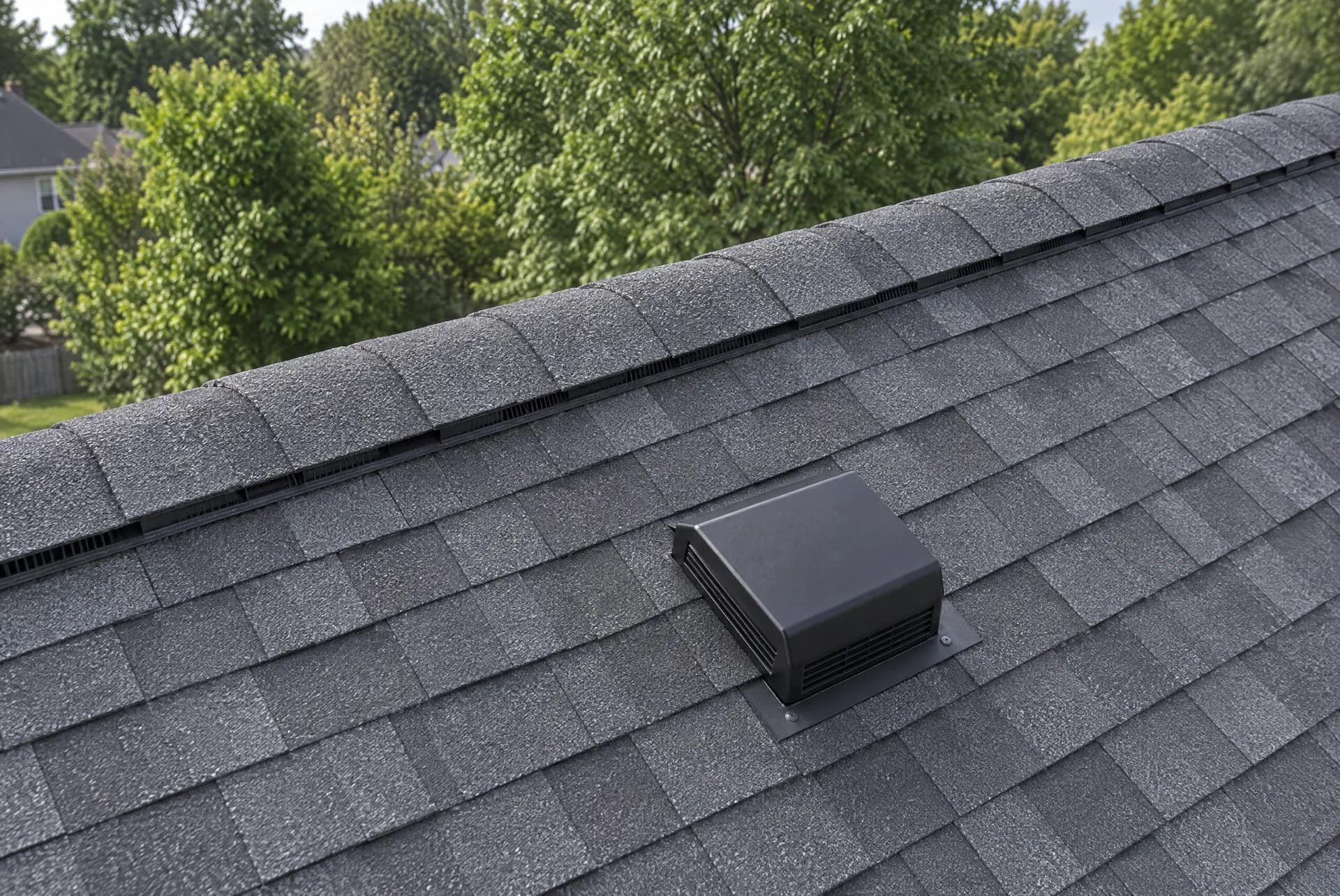
Asphalt shingles are held down by nails and a strip of sealant that bonds each shingle to the one below. Strong gusts can:
- Lift a shingle and break its seal, letting wind get under it more easily next time
- Crease a shingle as it bends back, creating a weak line that can crack or let water in
- Tear off shingles, ridge caps, or pieces of flashing
- Drive debris like branches into the roof
Damage usually starts where wind pressure is highest: edges, corners, ridges, and rakes.
Which wind speeds matter
The National Weather Service considers gusts of 58 mph or more severe. At those speeds, lifted and creased shingles become more common. Gusts of 74 mph or more (hurricane force) often remove shingles.
But speed isn’t everything. Older shingles that have lost flexibility, shingles that never sealed properly, and roofs with installation shortcuts can be damaged by lower speeds.
Curious what storms were recorded near you?
See how many significant storms are on record near your address, free in about 30 seconds. Add your contact details to see each storm’s date and hail size.
- Doesn’t file an insurance claim
- One local partner, never a pile-on
What to look for from the ground
- Missing shingles or shingle pieces in the yard
- Shingles that look raised, wavy, or out of line
- Exposed nail heads or bare spots
- Missing ridge caps
- Damaged flashing around chimneys or walls
Use binoculars if you have them — and please stay off the roof.
Why creased shingles matter
A creased shingle may lay flat again and look fine from the ground. But the crease weakens it, and the broken seal makes it more likely to lift in the next storm. Professionals check for this by examining shingles up close, often gently lifting edges to check the seal.
When to get an inspection
If storm records show gusts of 58 mph or more near your home, or you notice any of the signs above, a professional roof inspection can confirm whether there’s damage that needs attention. See how many significant storms are on record near your address, free in about 30 seconds.
Sources
Sources (3) · NOAA SPC, Professional Roofing
How our free inspections work and who pays us
Common questions
How much wind can a shingle roof withstand?
Can wind damage be hidden?
This guide is general information for homeowners, not professional, insurance, or legal advice. How we write and update guides.