
Roof care
Roof maintenance checklist for Kansas City homes, season by season
By Roof InspectorsUpdated 6 min read
The short answer
Roofs don’t need much care, but they do need attention at the right times. In Kansas City, that means looking closely after spring and summer storms, keeping gutters clear in the fall, and watching for ice in winter.
Almost everything on this checklist can be done from the ground or from inside the attic.
Safety first: what you do and what a pro does
| Task | You, from the ground or attic | A professional |
|---|---|---|
| Missing, lifted or creased shingles | Look from the yard (binoculars help) | Walks the roof when it’s safe |
| Gutters and downspouts | Check from the ground; use a ladder only if you’re steady and comfortable | Cleans high or hard-to-reach gutters |
| Leaks | Check ceilings and the attic | Finds the source |
| Flashing, pipe boots and vents | Look from the ground | Repairs or replaces them |
| Ice dams | Watch for them; fix attic heat loss over time | Removes ice safely |
| Anything on the roof surface | No | Yes |
Spring: hail and wind season (March to June)
Spring is when Kansas City roofs take the most hits. We looked at NOAA’s final storm reports for the core metro from 2016 through 2025.
Of the 86 days with at least one hail report, 57 fell between March and June. May had the most hail days (19), then June (15) and April (13).
After every significant storm
- Walk around the house. Look for missing, lifted or creased shingles, and for pieces of shingle in the yard.
- Check soft metal for dents: gutters, downspouts, roof vents, window trim and the outdoor AC unit. Our guide to hail damage on siding and gutters shows what to look for.
- Look for shingle granules piling up where downspouts drain.
- Look at ceilings, and in the attic if you can get there safely, for new stains.
- Look up the storms on record near your address; add your contact details for each storm’s date and hail size, then compare sizes on our hail size chart.
If records show hail of about 1 inch or larger near your address, or you find damage, consider a professional inspection. Learn more about hail damage and your roof.
A storm on record shows weather at or near your address. It doesn’t mean your roof was damaged, and it doesn’t mean your insurance company will accept that storm or date. That’s why an inspection is worth having: a roofing professional looks at the roof itself.
Had hail this year?
See how many significant storms are on record near your address, free in about 30 seconds.
- Doesn’t file an insurance claim
- One local partner, never a pile-on
Summer: wind, heat and trees
Summer brings the metro’s windiest storms. In the same 2016–2025 NOAA data and box, June had the most days with severe wind reports (29), and May through August together accounted for 89 of 113 such days.
- After strong wind, look along the peak and the roof edges for missing or lifted shingles. Ridge caps are often the first shingles lost in high wind.
- Trim branches that hang over the roof or rub against it. During the August 18–19, 2026 storm, storm reports described a large tree falling onto a home in Kansas City, Kansas.
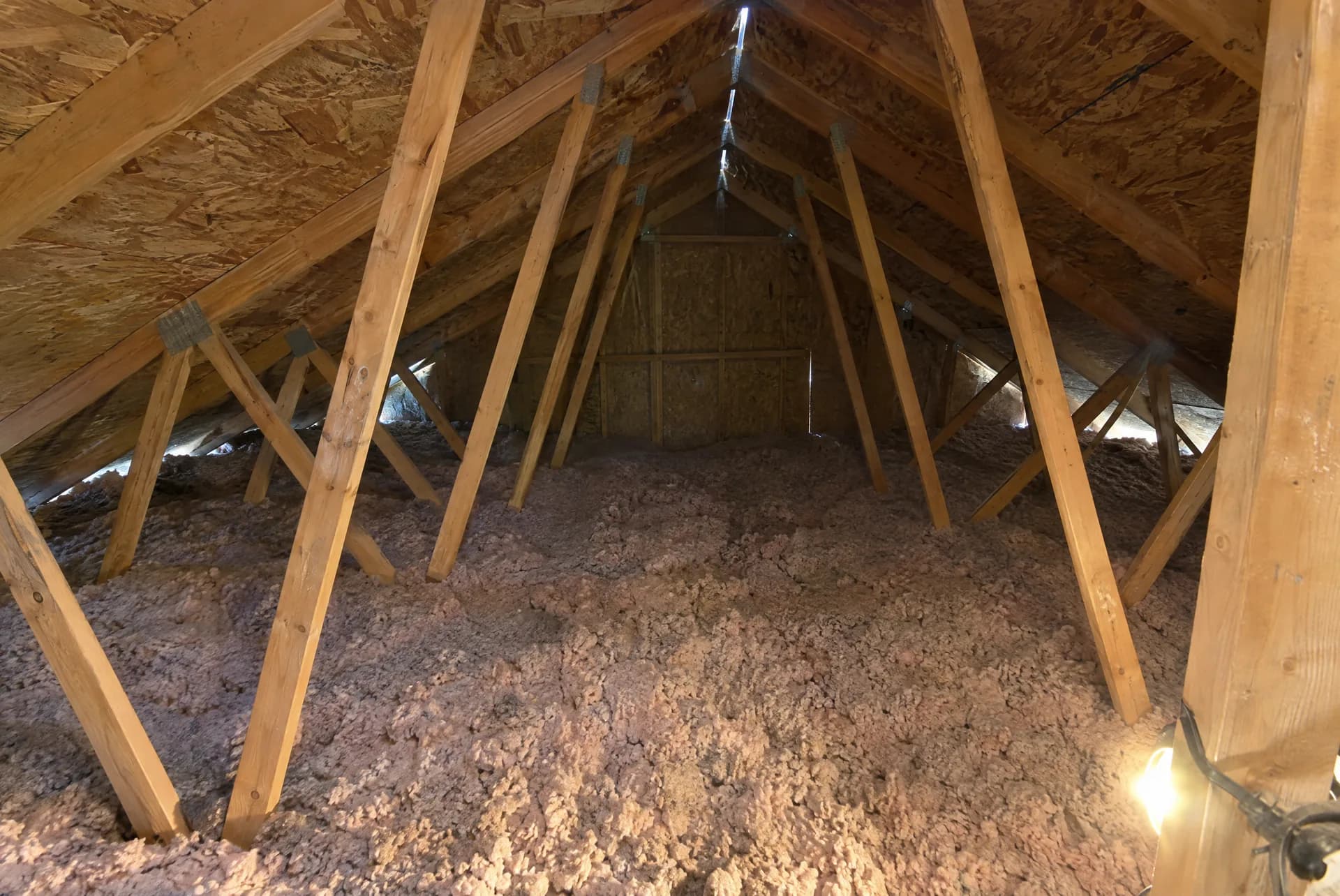
- Make sure the attic can breathe. Insulation pushed against the soffit vents blocks the cool air that a ridge vent needs to pull hot, damp air out. GAF, a shingle maker, says good ventilation keeps moisture from getting trapped in the attic.
- Take a quick look in the attic during or just after a heavy rain. Stand only on framing or a walkway, and look for drips, damp insulation or daylight.
Fall: leaves, gutters and getting ready for winter
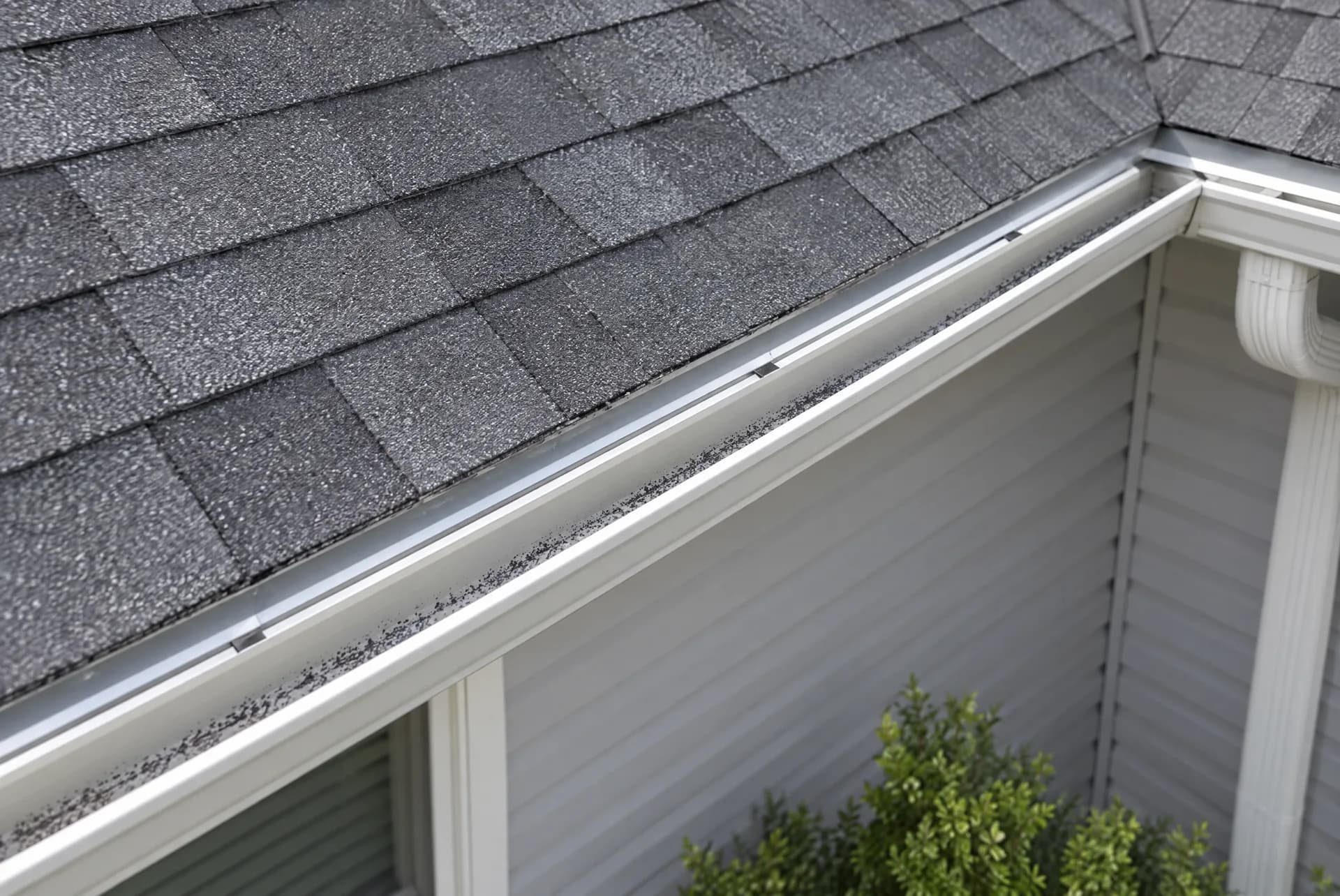
Fall is gutter season. Overflowing gutters can push water under the roof edge and spill it against siding and the foundation.
- Clean gutters after most leaves have dropped. Hire it out if your gutters are high or you aren’t steady on a ladder.
- Watch the downspouts during the next rain. Water should flow freely and drain away from the foundation, not pool right beside it.
- From the ground, look at the rubber collars around plumbing vent pipes. These pipe boots crack in the sun, often years before the shingles wear out, and they’re a common leak source.
- Look where the roof meets walls and the chimney. Rust, gaps, or caulk smeared where metal flashing should be are worth a professional’s look. See step flashing and kickout flashing for what good flashing looks like.
- If your roof is older or had storms nearby this year, schedule an inspection before winter. Hail isn’t only a spring problem: September had 7 hail days in the 2016–2025 data, and the Kansas City hail history includes late-season storms.
Winter: ice dams and cold snaps
University of Minnesota Extension describes an ice dam as a ridge of ice that forms at the edge of a roof and stops melting snow from draining. The trapped water can back up under shingles and leak into walls and ceilings.
Ice dams form when heat escaping into the attic melts snow higher on the roof while the edges stay frozen.
- After a snow, look for thick ice along the roof edge, then check ceilings near outside walls for stains.
- Fix the cause, not just the ice. Extension’s advice is to seal air leaks between the house and the attic first, then consider more insulation.
- If you’re planning a new roof, ask about ice and water shield at the eaves and valleys. Olathe’s reroofing code summary, for example, calls for an ice barrier from the roof edge to at least 24 inches inside the outside wall.
When to call a professional
Call a roofer, or book an inspection, if you notice:
- An active leak or a new ceiling stain
- Missing shingles or exposed underlayment
- A sagging or wavy roof line, which can point to a decking or framing problem
- Hail of about 1 inch or larger recorded near your address since the roof was installed
- A roof that’s 15 or more years old and has been through several storms (our roof age calculator can help you estimate)
Through Roof Inspectors, a professional roof inspection is free and done by an independent roofing partner that serves your area. Our roof inspection checklist explains what a good inspection covers and what the report should include.
Sources
Sources (6) · NOAA SPC, University of Minnesota Extension, Asphalt Roofing Manufacturers Association and more
- NOAA Storm Prediction Center: Severe weather database files (final hail and wind reports used for the Kansas City counts above)
- University of Minnesota Extension: Dealing with and preventing ice dams
- Asphalt Roofing Manufacturers Association: Algae discoloration of roofs
- GAF: How long does it take to replace a roof (ventilation section)
- City of Olathe: Residential building permits (reroofing code summary)
- NOAA Storm Prediction Center: Storm reports for August 18, 2026
How our free inspections work and who pays us
Common questions
Should I pressure wash dark streaks off my roof?
Can I use a roof rake to pull snow off my roof?
This guide is general information for homeowners, not professional, insurance, or legal advice. How we write and update guides.