
Roof inspections
Roof inspection checklist: what a pro checks and what you can check yourself
By Roof InspectorsUpdated 5 min read
The short answer
A roof inspection is only as useful as what gets checked and how clearly it’s reported. Use this checklist in three ways: before the inspection, to know what to look for yourself; during it, to know what a thorough pro covers; and after it, to judge the report you receive.
Part 1: What you can check from the ground
You don’t need a ladder. Walk all the way around the house, ideally in good light, with binoculars if you have them.
Outside
- Missing shingles, or shingles that are lifted, creased or curling
- Shingle pieces or granules in the yard, gutters or where downspouts drain
- Dents in gutters, downspouts, roof vents, window trim and the outdoor AC unit
- A sagging or wavy roof line, which can point to a decking or framing problem
- Rust, gaps or heavy caulk where the roof meets a wall or chimney
- Cracked rubber collars around plumbing vent pipes (pipe boots)
- Stains or soft spots on the fascia and soffit, or on siding below a roof edge
Inside
- Ceiling stains, especially near outside walls, chimneys and bathrooms
- In the attic, if you can get there safely: water stains on the wood, damp insulation, daylight through the roof boards, and insulation blocking the vents at the roof edge
Paperwork to gather
- Roughly when the roof was installed, and any past repairs. Our roof age calculator can help you estimate.
- When you first noticed any leak or stain
- The storms recorded near your address. A free storm history check shows how many significant storms are on record near it in about 30 seconds; add your contact details to see each storm’s date and hail size.
Part 2: What a professional should check
A thorough inspection looks at the whole roof system, not just the shingles. Use this list to ask what was covered.
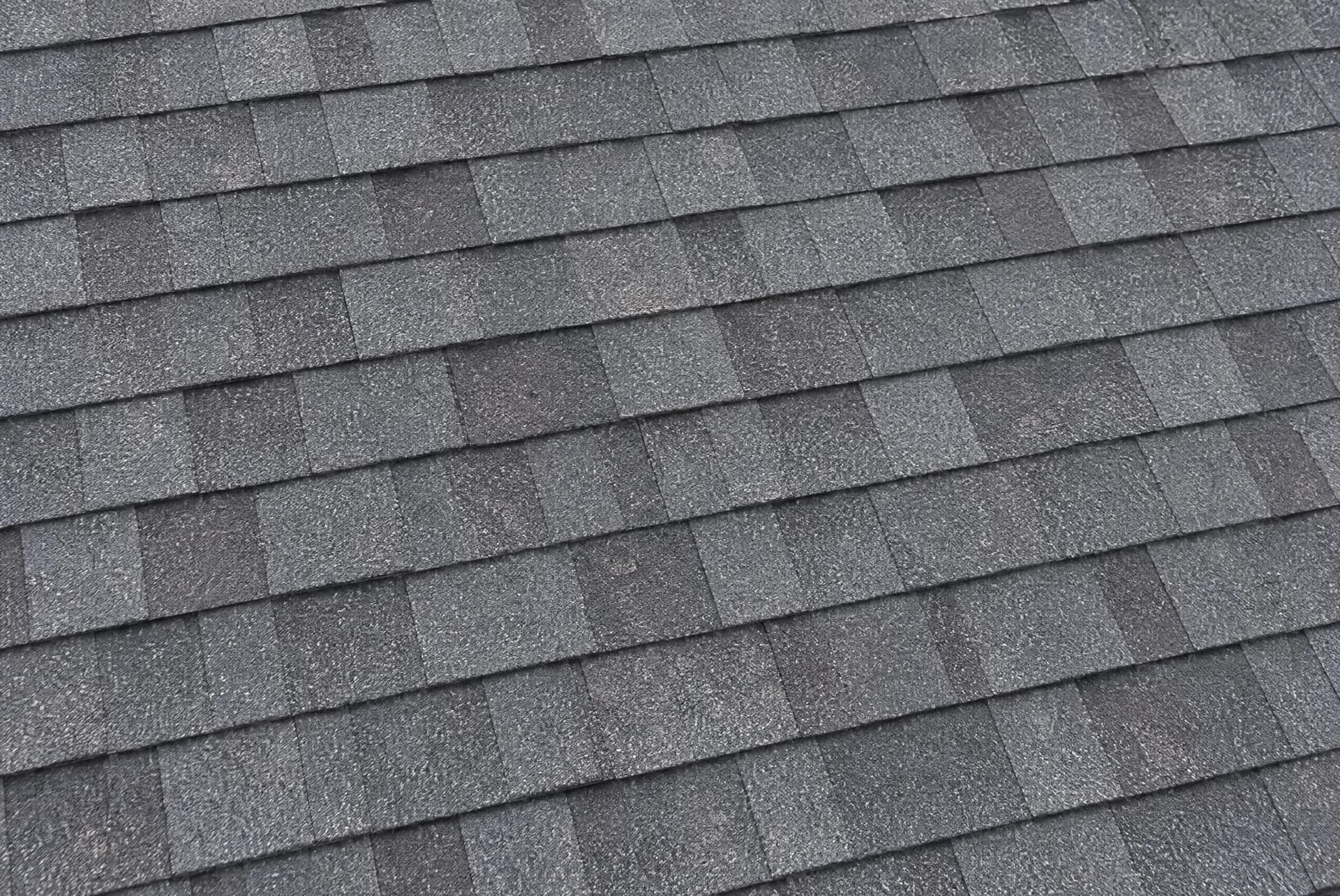
The roof surface, slope by slope
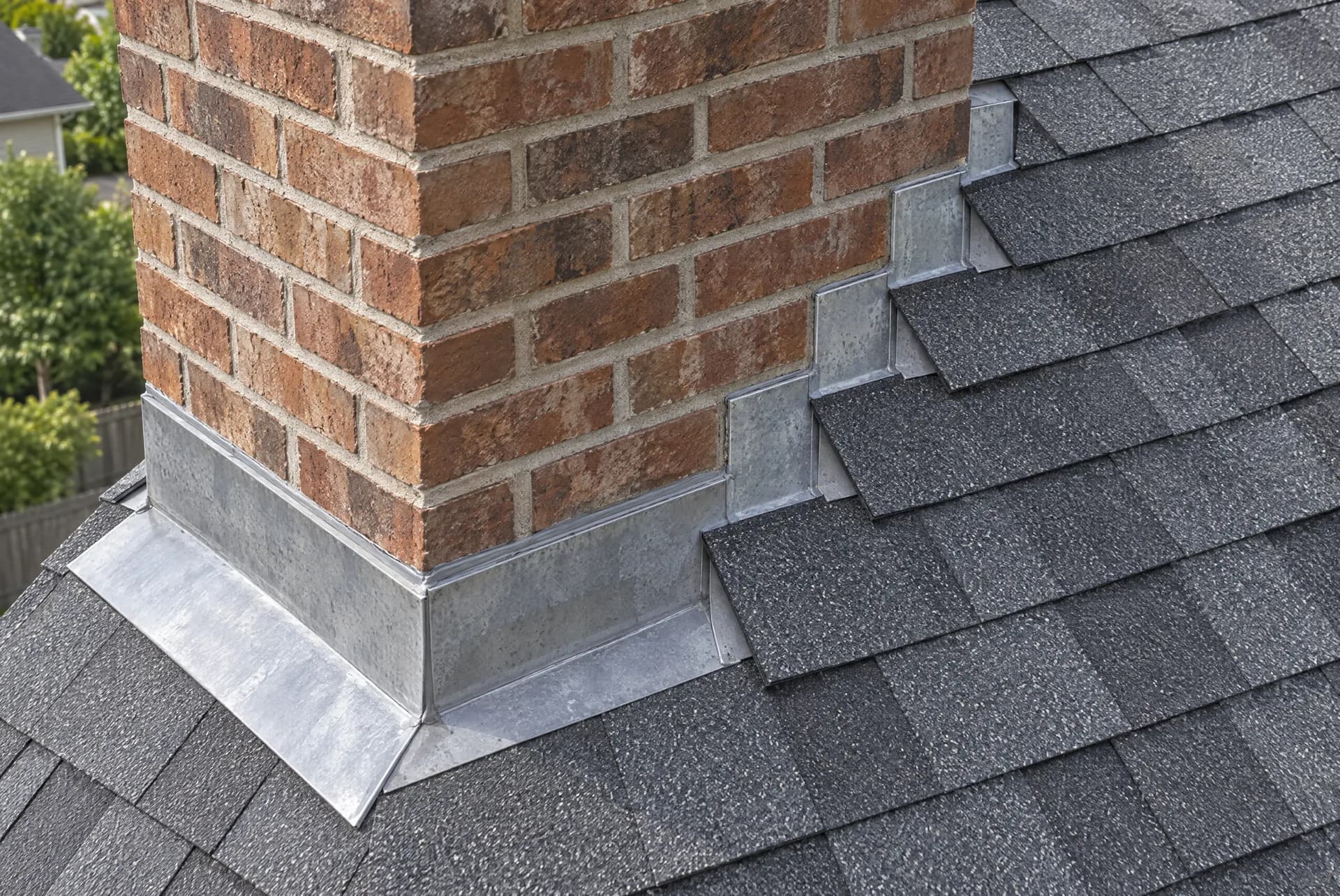
Flashing and everything that pokes through
- Step flashing and counter flashing at walls and chimneys
- A chimney cricket behind wide chimneys
- Kickout flashing where a roof edge ends against a wall
- Pipe boots, exhaust vents, skylights and satellite mounts
Ventilation
- Intake vents at the soffits and exhaust vents at or near the ridge, and whether they’re blocked
- Mixed vent types that may be working against each other
Edges and drainage
- Drip edge along the eaves and rakes
- Gutters and downspouts: clogs, loose hangers, leaking seams and dents
- Fascia and soffit condition
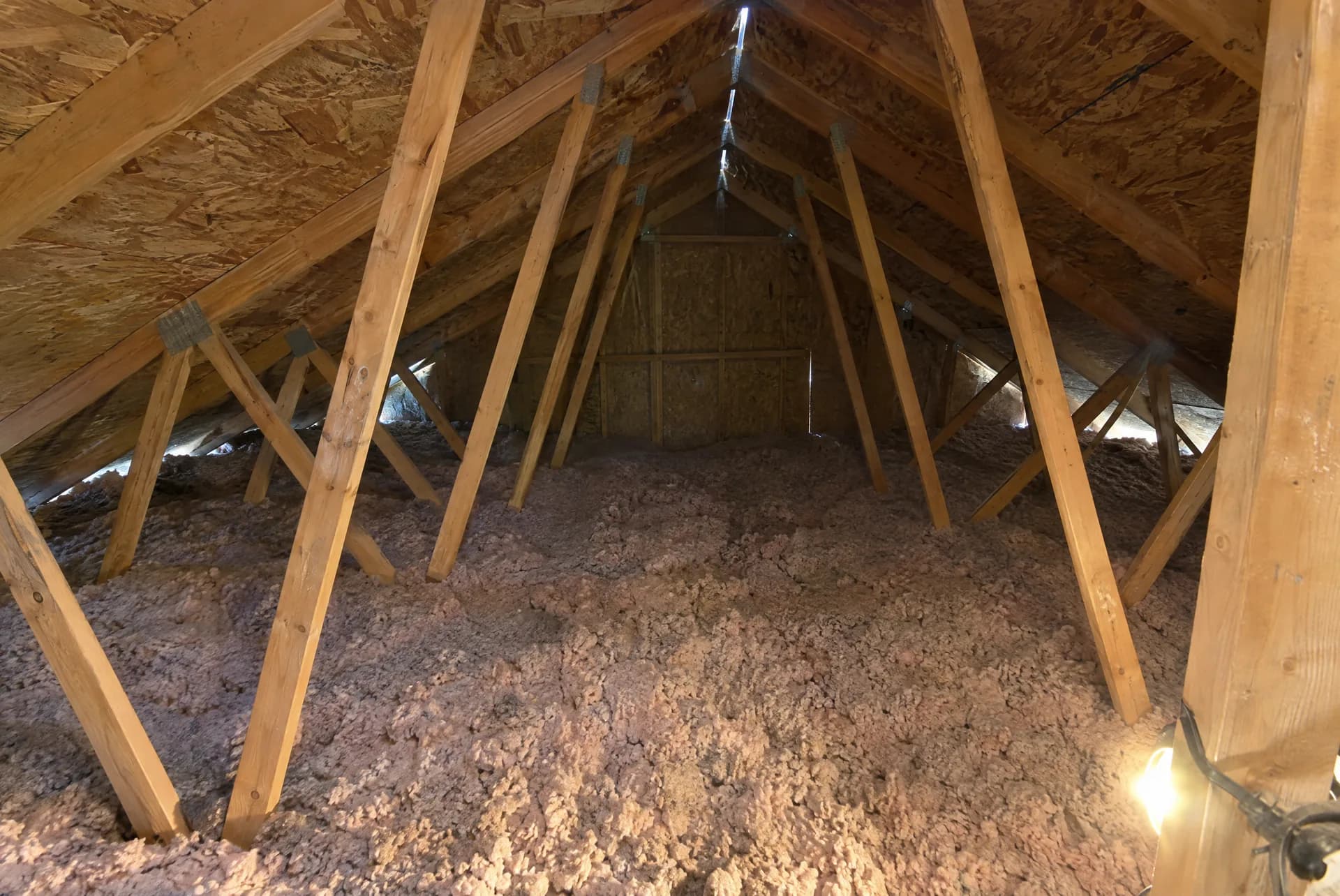
The attic (with your permission)
- Stains, rot or daylight in the roof deck
- Ventilation and insulation, which affect how long shingles last
- The source of any leak you’ve noticed
After a hail or wind storm
- Dents on soft metals, such as vents, gutters and flashing, which help show hail size and direction
- Damage on the side of the house that faced the storm
- Siding, window trim and the AC unit. See hail damage to siding and gutters.
Curious what storms were recorded near you?
See how many significant storms are on record near your address, free in about 30 seconds. Add your contact details to see each storm’s date and hail size.
- Doesn’t file an insurance claim
- One local partner, never a pile-on
Contractor inspection or home inspection?
They’re built for different jobs, and the checklists differ. The InterNACHI home inspection Standards of Practice, used by many home inspectors, cover the roof covering, gutters, downspouts, vents, flashing, skylights, chimney and other penetrations, and inspection can be done from the ground or the eaves.
Under those standards, a home inspector isn’t required to walk on the roof, predict how long it will last, or certify it.
A roofing contractor’s inspection, like the free one through Roof Inspectors, usually goes onto the roof when it’s safe and focuses on storm damage, leaks and condition. Our guide to what a roof inspection tells you compares the options.
Part 3: What the report should include
You should get more than “looks fine” or “you need a new roof.” Check the report against this list.
- Who and when: the date, the inspector’s name and company, and contact information. In Kansas, roofing contractors must show their state registration number on business cards, correspondence and contracts.
- Roof basics: material, approximate age, number of layers, and which slopes were inspected.
- Photos of every finding: ideally a wide shot to show where it is and a close-up to show what it is.
- Findings by area: each slope, the flashing, the vents, the gutters and the attic.
- A clear label for each finding: storm damage, normal wear, a maintenance item, or an installation problem.
- Recommendations ranked by urgency: what needs attention now, what can wait, and what needs nothing.
- Limitations: areas the inspector couldn’t reach or see, and why.
A good report leaves the decisions to you. If you file a claim, even after an inspection, your insurance company decides what’s covered and what it pays. Roof Inspectors and our roofing partners can’t make that decision or promise an outcome.
Our insurance questions page explains how to keep those steps separate, and what a roof inspection tells you explains what each kind of finding means for your next step.
Questions to ask at the inspection
- Did you go on the roof? Which slopes did you check, and which couldn’t you reach?
- Can you show me photos of each problem you found?
- Which findings are from a storm, and which are age or wear?
- Can this be repaired, or does it need more? Why?
- What would you do first if this were your house?
For hiring questions, see our questions to ask a roofer before you sign. If the inspector also sells roofing work in Kansas, ask for their state registration number and look it up before you sign anything.
Ready for a professional look?
Storm records show the weather near your home. An inspection is a close look at the roof itself. Learn how the free roof inspection works, or start by checking your address.
Sources
How our free inspections work and who pays us
Common questions
Can I inspect my own roof?
What if two inspections don’t agree?
This guide is general information for homeowners, not professional, insurance, or legal advice. How we write and update guides.